Lessons I’ve Learned Building My Own Fashion Brand (So You Don’t Have To)
I wanted to start my own fashion brand because I love designing. I love to sew. I love the physical labor of making garments. Understanding how materials behave, how construction choices affect movement, and how small technical decisions can completely change how something feels on the body. But more than that, I love outerwear. I love the way a jacket can make someone feel protected, grounded, and confident as they move through the world.
Outerwear is often the first thing people see and the last thing they take off. It sets the tone. You could have on the most basic fit ever, but a fire jacket on top will change the whole mood.
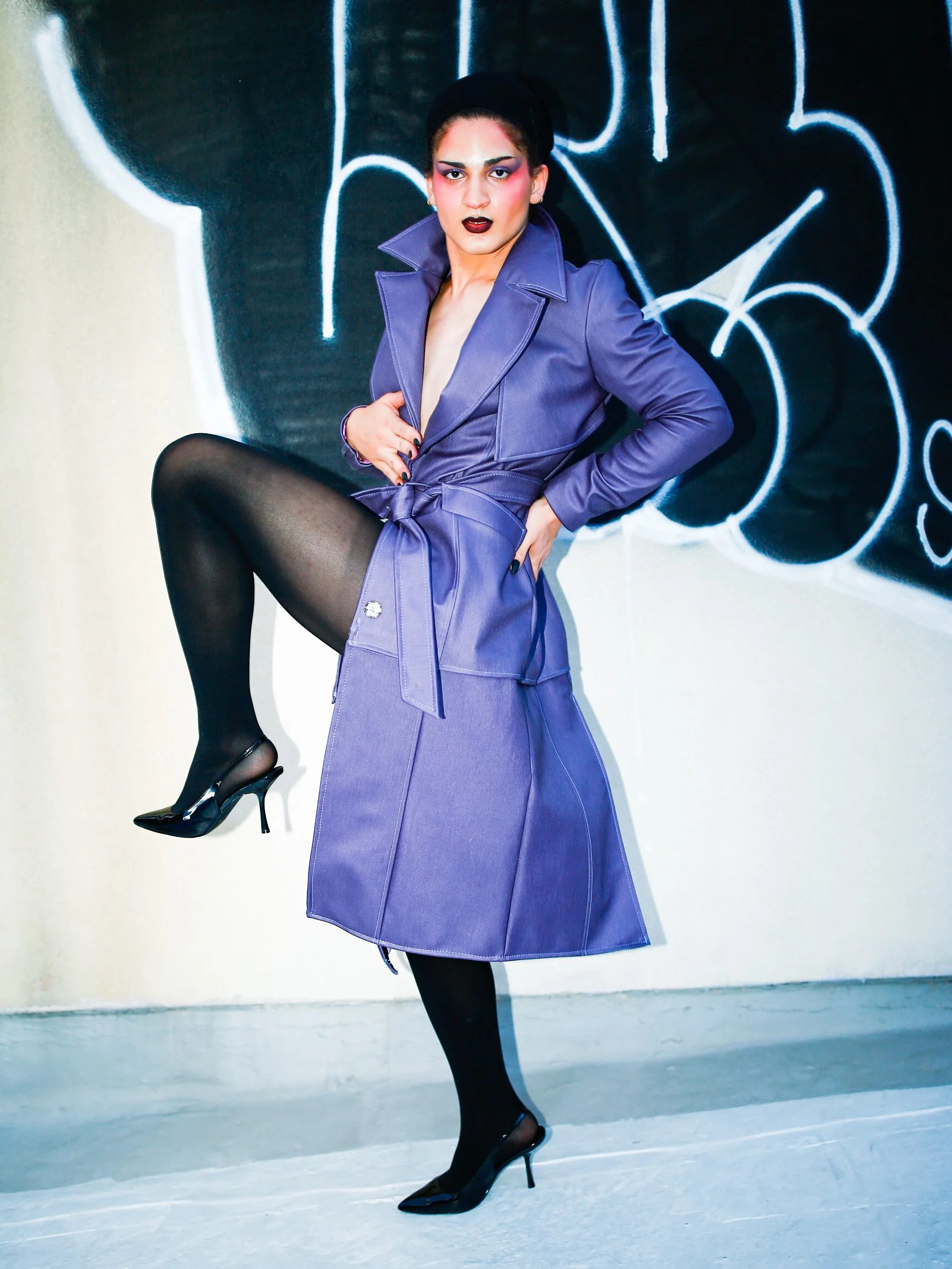
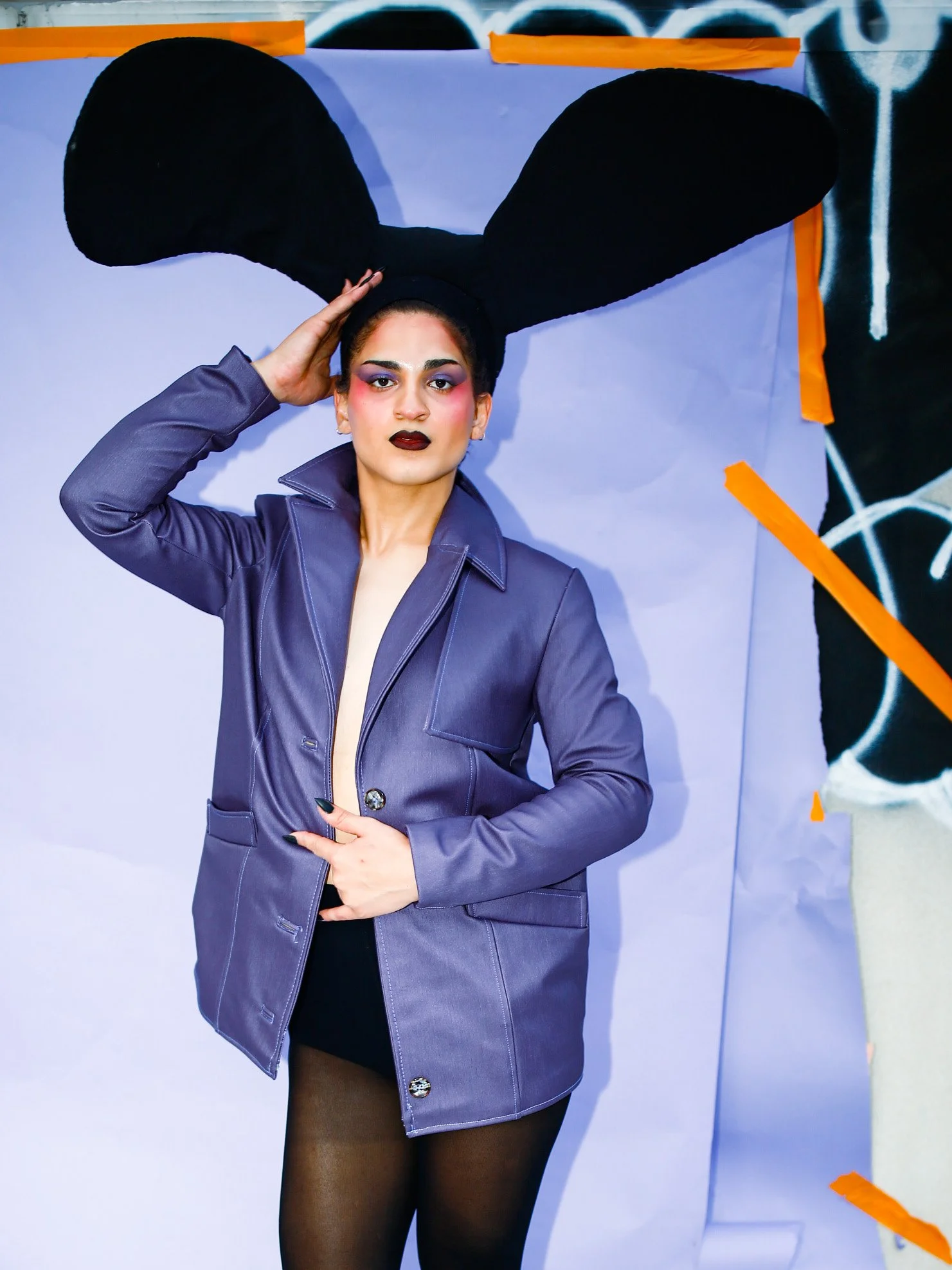
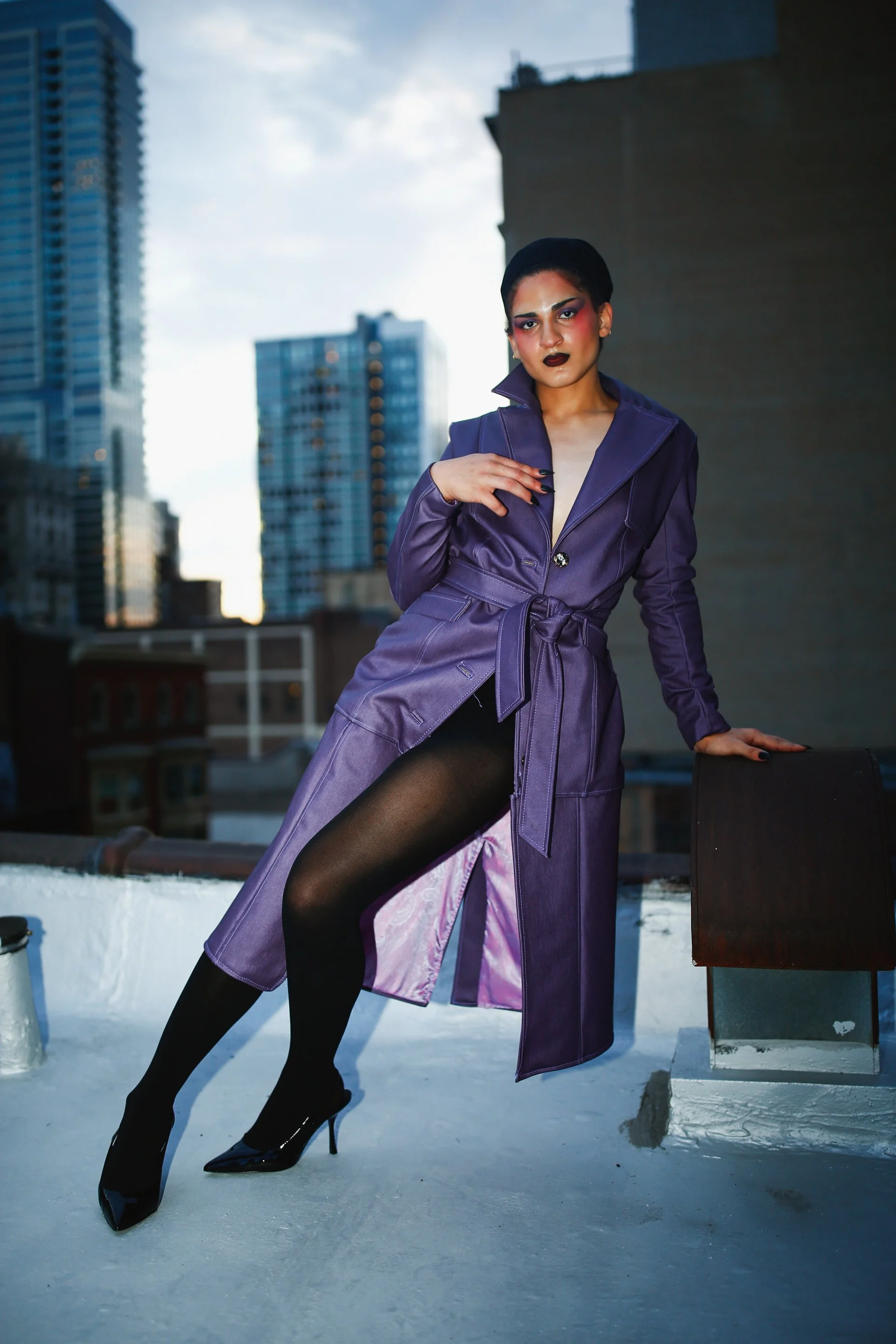
I started Venus in Aries because I wanted to create outerwear that does more than look good. I wanted to design pieces that adapt, transform, and evolve with the person wearing them. Garments that support confidence, self-expression, and longevity through thoughtful construction.
Building my own brand has been one of the most educational experiences of my career. It’s shaped not only how I design, but how I think about branding, customer clarity, technical development, and the realities early-stage founders face when turning an idea into a real product. Venus in Aries is still in development, and building it alongside client work has given me a rare inside view of the same decisions many early-stage founders are navigating.
These are some of the biggest things I’ve learned so far — especially the ones I wish more founders understood earlier.
1. Clarity Is More Valuable Than Speed
When you’re starting out, everything feels urgent.
You want samples quickly. You want to see something tangible. You want proof that the idea in your head can exist in real life. I felt this too — the pressure to move fast, to “just get something made.”
What I learned very quickly is that speed without clarity doesn’t actually move you forward. It usually just creates more work later.
Rushing into sampling without fully understanding silhouette, materials, or construction details often leads to multiple rounds of revisions, unclear feedback from factories, and frustration that’s hard to pinpoint.
Slowing down at the right moments — especially early — ended up saving me time, money, and energy overall. That lesson alone completely changed how I approach design work now.
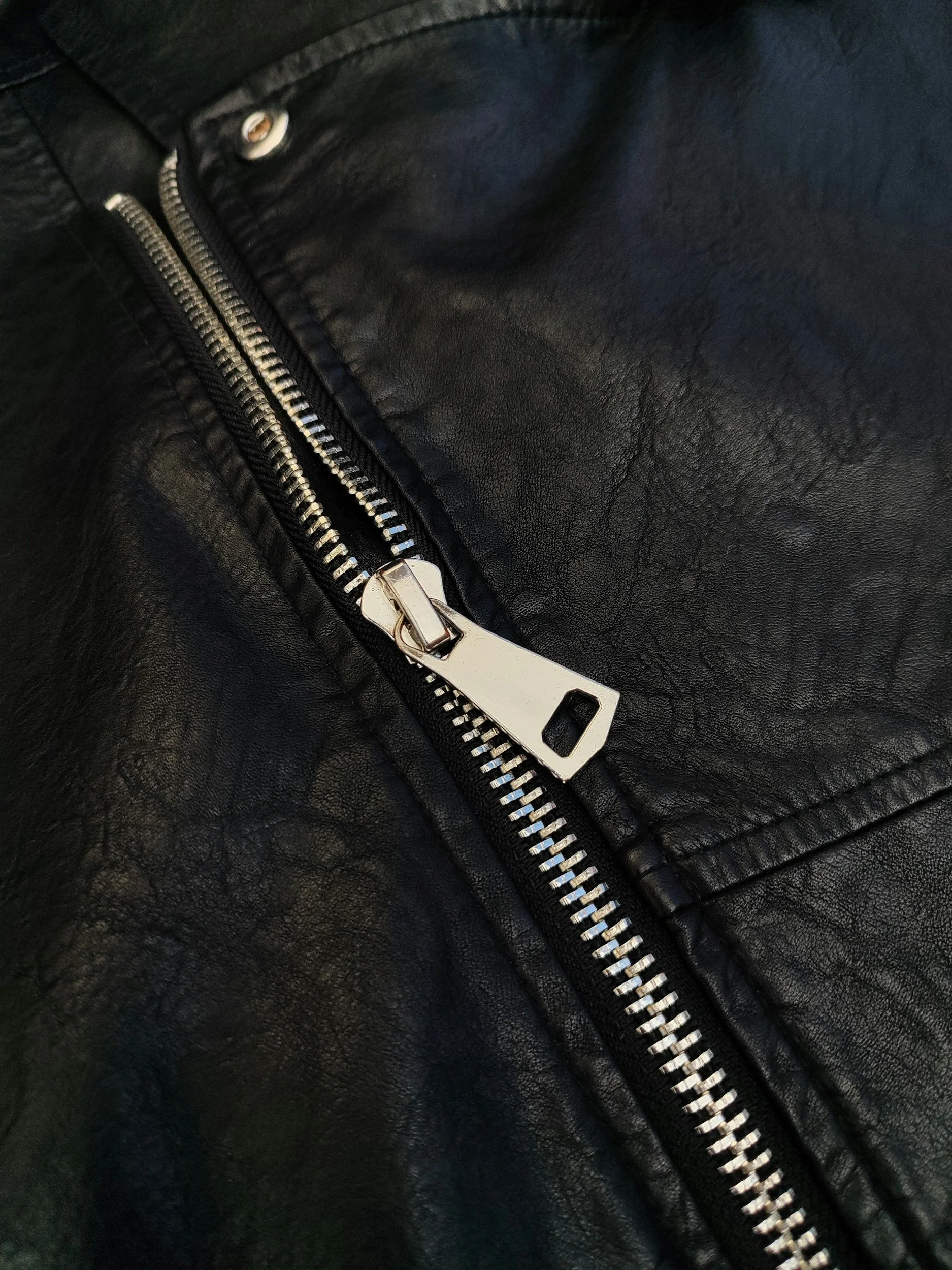
2. Small Design Decisions Compound (In Ways You Don’t Expect)
Early in the process, it’s easy to think of decisions as isolated.
This fabric versus that fabric.
This zipper versus another.
This seam placement instead of that one.
What I learned is that design decisions don’t live in isolation — they compound.
Fabric choices affect fit.
Fit affects construction.
Construction affects cost, lead times, and factory options.
Once I experienced this firsthand, I stopped treating design as a series of aesthetic choices and started treating it as a system. That shift pushed me deeper into technical design and garment development, and it’s something I now guide clients through intentionally.
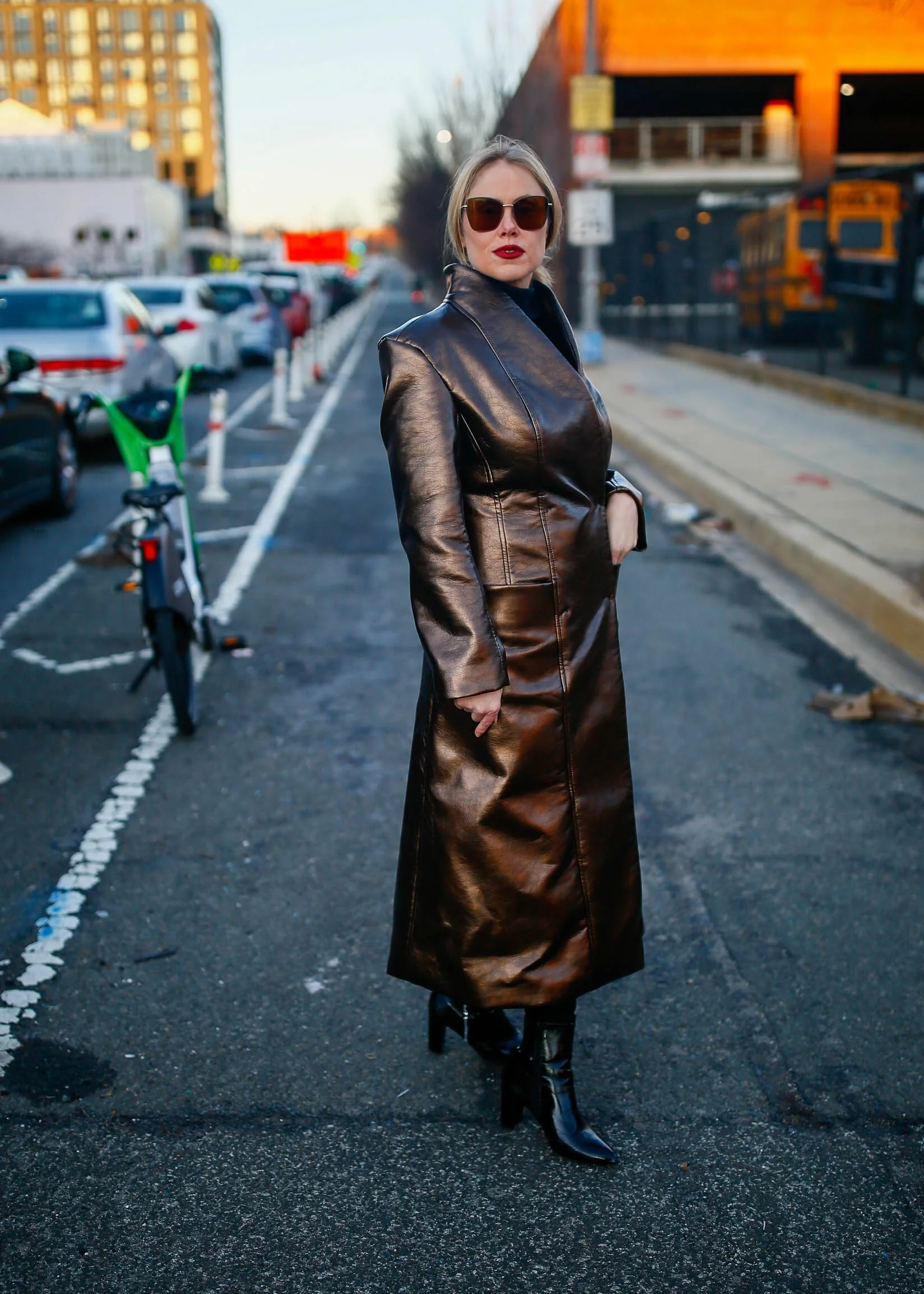
3. Branding Isn’t Just Visual — It’s About Confidence and Intention
One of the biggest lessons I learned while building Venus in Aries was how often design decisions come back to a very simple question:
Who is this garment meant to serve — and how should it make them feel?
Not in an abstract branding sense, but in a lived, physical one.
Where are they going when they put this on?
What environment are they moving through?
What kind of confidence do they need when they step outside?
Because I work primarily in outerwear, these questions matter even more. A jacket isn’t just an outfit choice — it’s often the layer people rely on when they take on the world. Weather, location, events, confidence. Everything.
Early on, I thought of branding mostly in terms of visuals: logos, color palettes, references, mood boards. Those elements matter, but they don’t guide real design decisions on their own.
What changed everything was designing with a specific wearer in mind — not a demographic or a trend forecast, but a real person with a lifestyle, a routine, and a reason for choosing this garment.
Once I had that clarity, everything downstream — from design development to documentation — started to fall into place.
4. Fabric Choices Are Ethical and Strategic Decisions
Once I started designing from that place, something else happened: fabric choices became impossible to separate from responsibility.
Materials don’t just affect how a garment looks. They affect how long it lasts, how it performs, how much it costs to produce, and what kind of impact it leaves behind.
Choosing a fabric meant thinking about durability, sourcing, sustainability, and whether a garment could realistically be made without compromising its integrity or accessibility. Every material decision created a ripple effect across construction, pricing, production timelines, and long-term wear.
That pressure forced me to be more intentional — and more inventive.
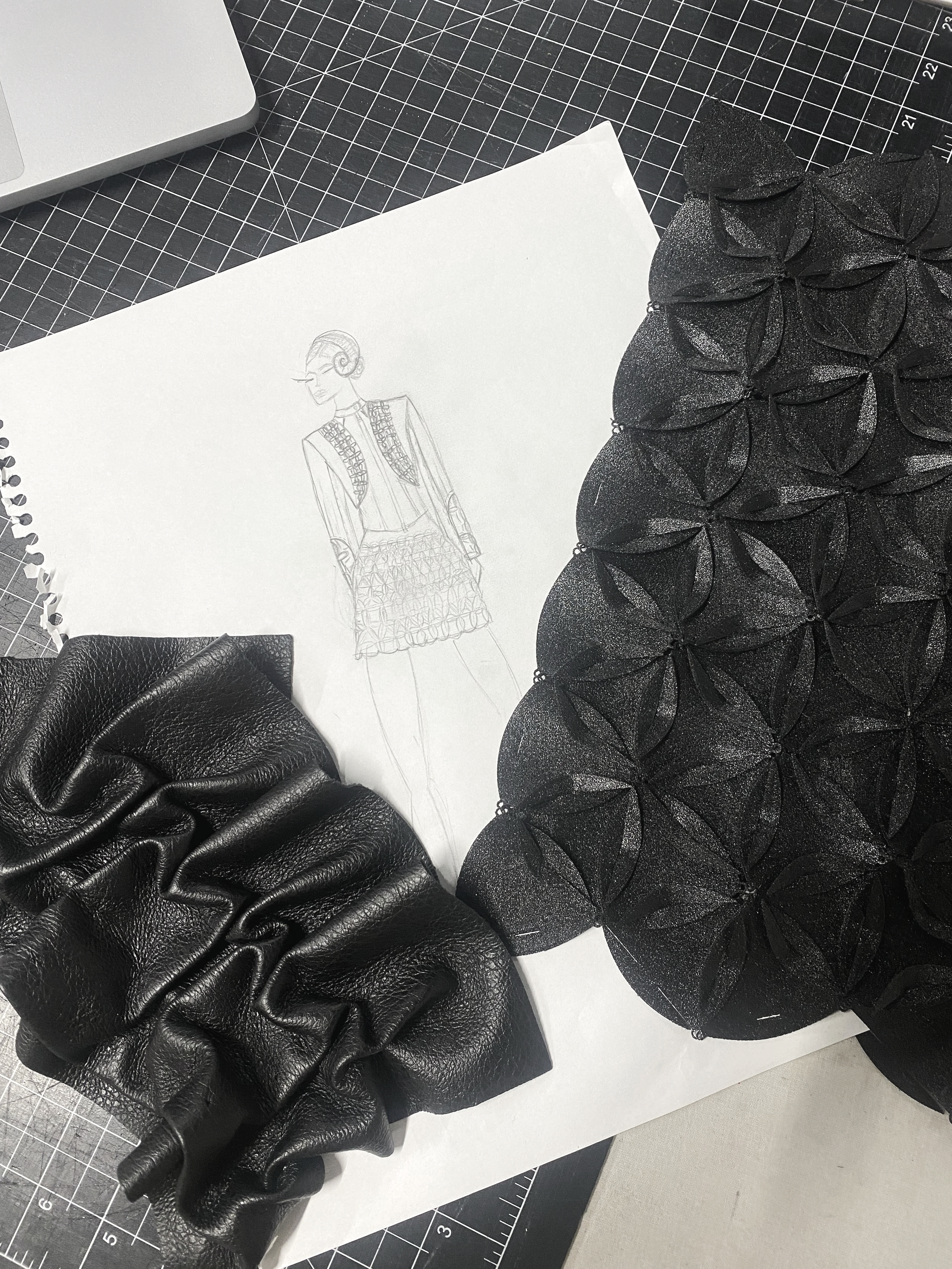
It pushed me to experiment with modular construction, material efficiency, and innovative techniques like 3D printing, not as gimmicks, but as tools for solving real design problems. I began asking different questions:
How can a garment adapt instead of be replaced?
How can components be repaired, swapped, or reconfigured?
How can technology support longevity rather than excess?
Sustainability stopped feeling like a checklist and started feeling like a design challenge rooted in longevity, flexibility, and thoughtful engineering.
5. “Just a Tech Pack” Is Rarely Just a Tech Pack
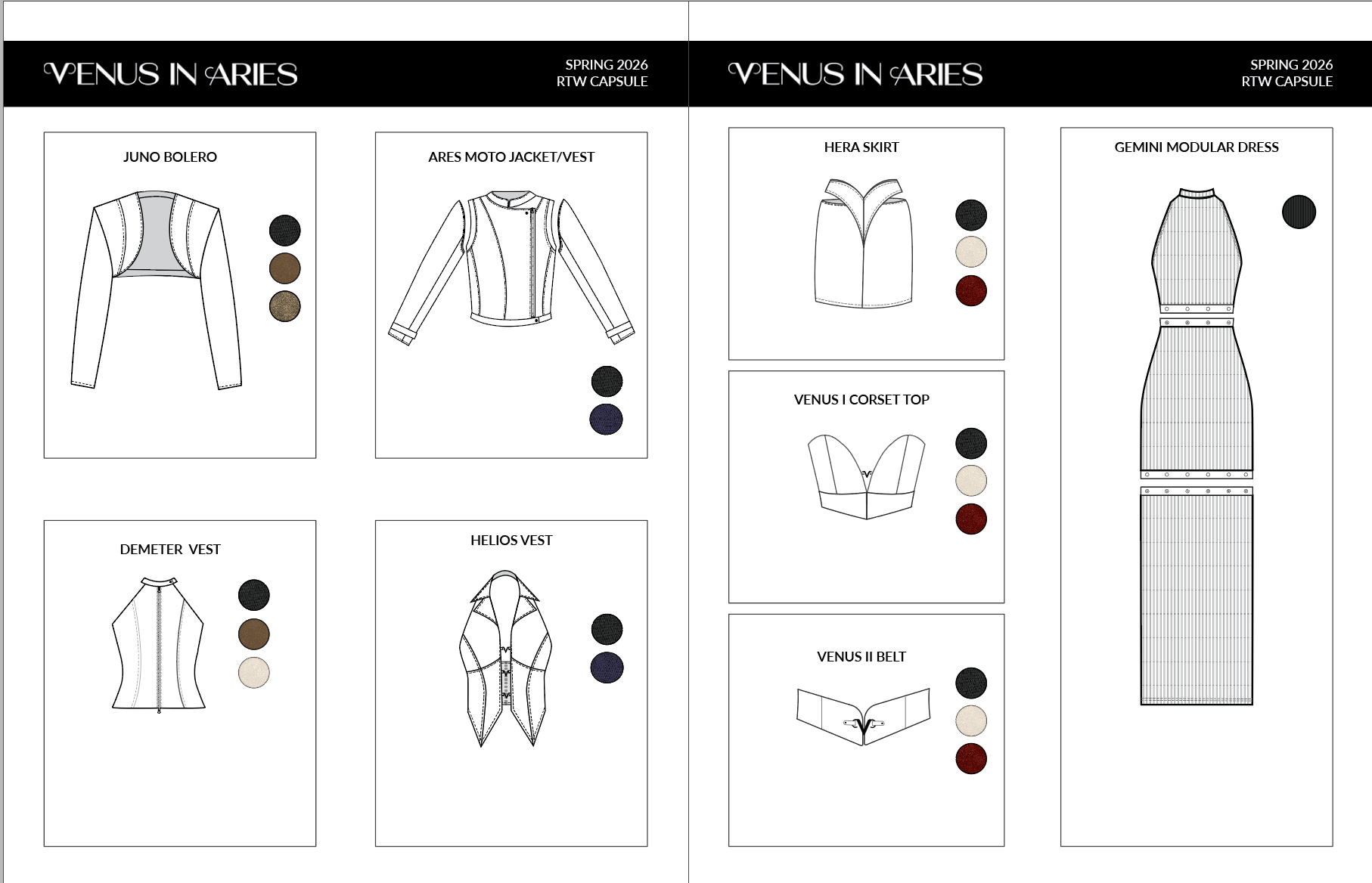
Before building my own brand, I understood tech packs as a technical requirement — something you needed in order to move toward production.
Working through the process firsthand taught me something more practical: a tech pack only works when the design decisions behind it are already resolved.
When materials, fit, or construction details are still unclear, documentation becomes speculative. Factories are forced to interpret incomplete information, and small assumptions quickly turn into costly misalignments.
I learned that tech packs aren’t a starting point. They’re a translation tool. They work best when they’re capturing something that already exists in a clear, tested form — whether that’s an approved sample or a fully resolved design.
Once I started treating them as a final step in a longer decision-making process, everything became smoother. Communication improved. Sampling became more efficient. Expectations on both sides became clearer.
That clarity is what makes documentation valuable.
6. Process Reduces Anxiety (It Doesn’t Kill Creativity)
There’s a common fear especially among creatives that structure will limit creativity. My experience has been the opposite.
When I didn’t have a clear process, everything felt heavier. Every decision felt high-stakes. Every delay felt personal.
Once I put structure around the work in phases, checkpoints, and decision points the anxiety dropped. I could focus more on creative problem-solving because I wasn’t constantly wondering what comes next.
This is something I see with clients too. A clear process doesn’t box you in. It gives you something solid to stand on while you create.
7. You Don’t Need Everything Figured Out to Begin
This might be the most important lesson of all.
I didn’t have perfect answers when I started. I didn’t know exactly how pieces would be manufactured, which materials would ultimately be viable, or how long certain phases would realistically take.
What mattered wasn’t having all the answers. It was being willing to learn, test, adjust, and ask better questions as I went.
I see so many early-stage founders hesitate to reach out for support because they think they need to arrive fully formed. You don’t. You just need enough clarity to start the conversation. It doesn’t have to be perfect — it just has to exist. Refinement can always come later.
How This Shapes the Way I Work Now
Building my own brand gave me something I couldn’t have learned any other way: empathy for the founder experience.
I understand the excitement.
I understand the overwhelm.
I understand the pressure to get it right. And the fear of getting it wrong.
That’s why my work now focuses on helping early-stage brands move forward with intention, structure, and realistic expectations. Not rushing. Not guessing. Not skipping steps that quietly matter later.
If You’re Early in the Process
If you’re thinking about starting a fashion brand — or you’re already in it and feeling overwhelmed — you’re not doing it wrong.
You’re just early.
And learning as you go is part of the process.