Why a Tech Pack Alone Isn’t Enough for Early-Stage Fashion Brands
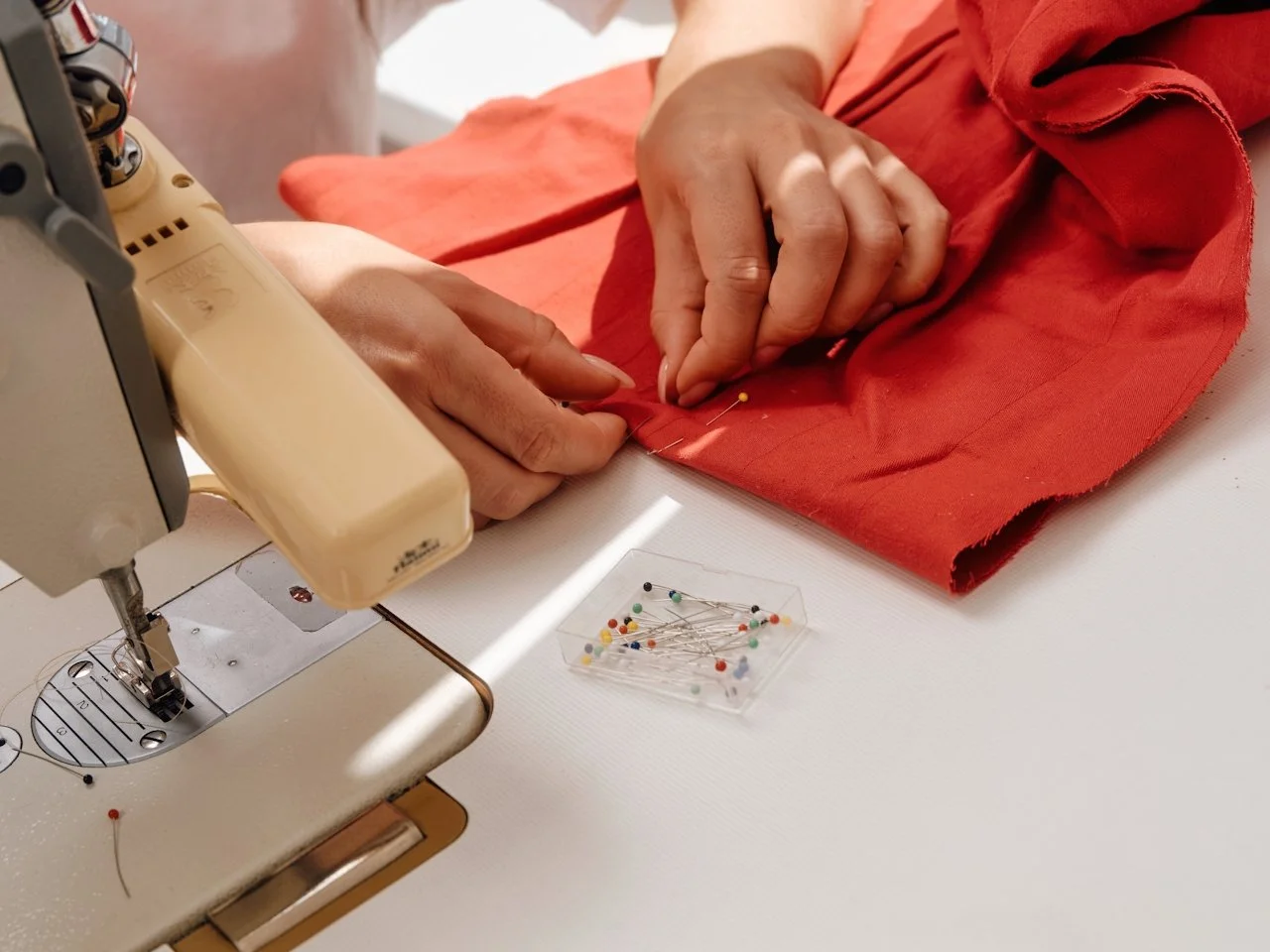
One of the most common requests I get from early-stage fashion founders sounds like this:
“I need a tech pack so I can start manufacturing my clothing brand.”
It’s an understandable request. Tech packs are often positioned as the thing that unlocks production — the document that turns an idea into something a factory can make.
But building my own fashion brand alongside working with early-stage founders taught me something important early on:
A tech pack can only be as clear as the decisions behind it.
When founders reach for a tech pack too early, it’s rarely because they are ready for production. More often, it’s because they’re looking for certainty in a process that still has unanswered questions.
What’s Usually Still Unclear Before a Tech Pack
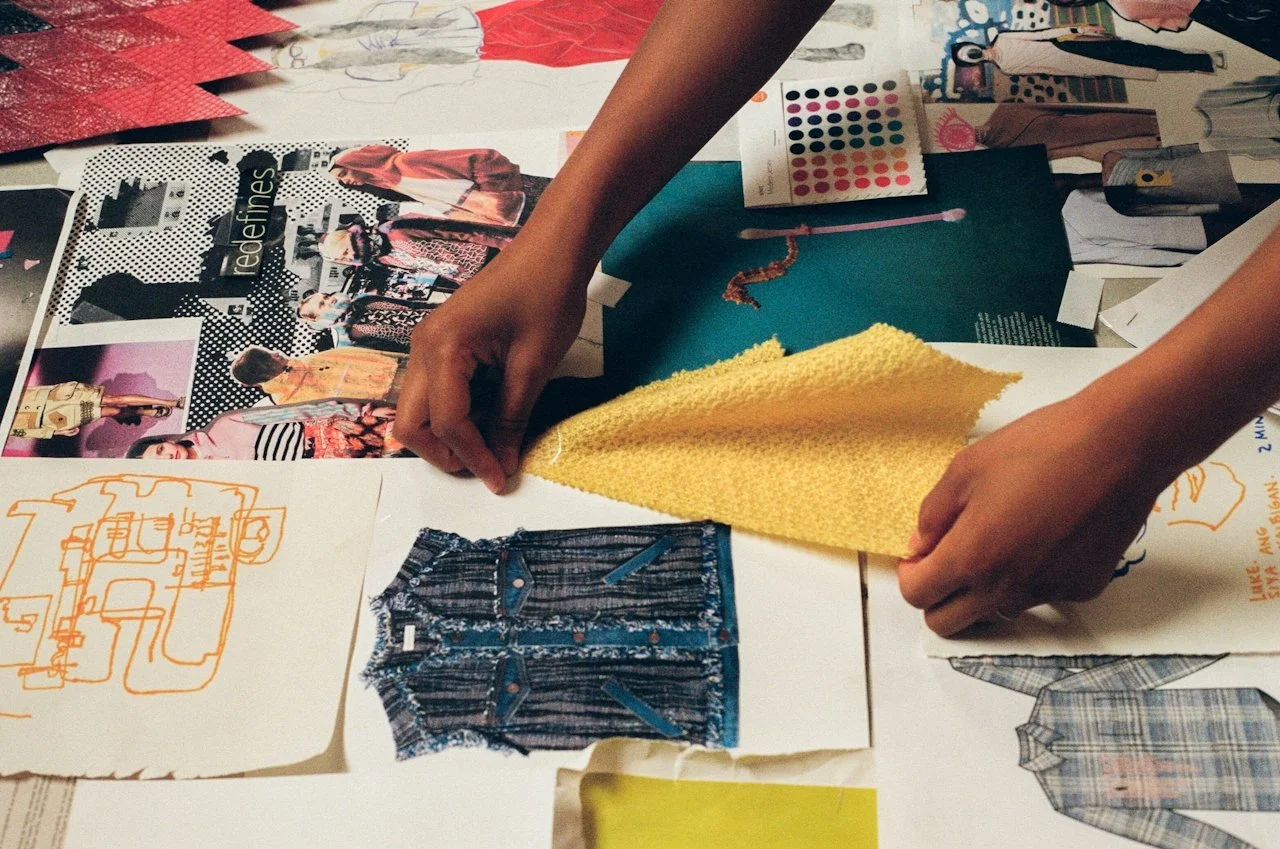
When someone says they “just need a tech pack,” there are usually unresolved design decisions underneath that request.
Common examples include:
Which fabric actually works for the silhouette, not just visually but structurally
How the garment is meant to fit and move on a real body
Which construction choices support durability, cost, and repeatability
Which details are essential versus decorative
What should be tested versus finalized
These are not documentation issues.
They are design development decisions.
When those decisions are still open, a tech pack doesn’t resolve them. It simply records uncertainty in a formal format. Factories are then left to interpret gaps, which often shows up later as misaligned samples, unexpected costs, or multiple rounds of revisions.
Why This Stage Often Becomes Expensive
This is usually the point where founders feel like something has gone wrong.
They have a tech pack. They followed the advice they were given. And yet sampling takes longer than expected. Changes pile up. Feedback from manufacturers feels vague or inconsistent.
What’s actually happening is that decisions that should have been explored earlier are now being resolved through trial and error.
That almost always costs more than intentional development.
I experienced versions of this myself while building Venus in Aries. Early on, I underestimated how much clarity needed to exist before documentation could be effective.
Over time, it became clear that tech packs work best as a translation tool, not a discovery tool.
Where This Pattern Shows Up Beyond Fashion
This isn’t something I’ve only seen in fashion.
Before working in apparel, I spent years in digital product development and UX/UI. In that world, research and development are often the first things stakeholders try to compress or skip.
The impulse is usually the same: move faster, build something, document it, and fix problems later.
In practice, that approach almost always backfires.
When research questions aren’t explored early, uncertainty doesn’t disappear. It resurfaces later as rework, misalignment, or costly revisions. Documentation — whether product requirements or design specifications — can’t compensate for missing clarity. It can only record what has already been decided.
Fashion design isn’t fundamentally different.
Design development plays the same role as research and testing in digital products.
It’s the phase where assumptions are surfaced, tradeoffs are evaluated, and decisions are pressure-tested before they become expensive to change.
That parallel became especially clear to me while building my own brand.

Why I Work in Phases Now
This is why I approach early-stage fashion design work in phases.
Not to slow things down — but to reduce risk.
A phased process creates space to:
Explore silhouettes before locking construction
Test materials in context, not isolation
Clarify fit strategy and intended use
Make informed tradeoffs around cost and complexity
By the time a tech pack is created, it’s capturing decisions that have already been thought through and tested.
That’s when documentation actually supports production instead of complicating it.
If You’re Wondering What Comes Next
If you’re asking what needs to happen next — and whether you’re ready for a tech pack — you’re not behind.
You’re likely just at a point where clarity matters more than speed. If you want to talk through your brand’s next steps, I offer low-pressure alignment calls to help founders make sense of where they are and what makes sense to do next.