
CLO3D Design + Development
Starting at $250
I use CLO3D to develop digital garments that help refine fit, test design details, and make better decisions before you commit to sampling. This is a smart and sustainaway to reduce guesswork and move through development with more confidence.
Best for
Founders who want digital mockups before sampling
Brands refining styles, fit direction, or design details
Teams that need clearer visuals for internal or factory conversations
May include
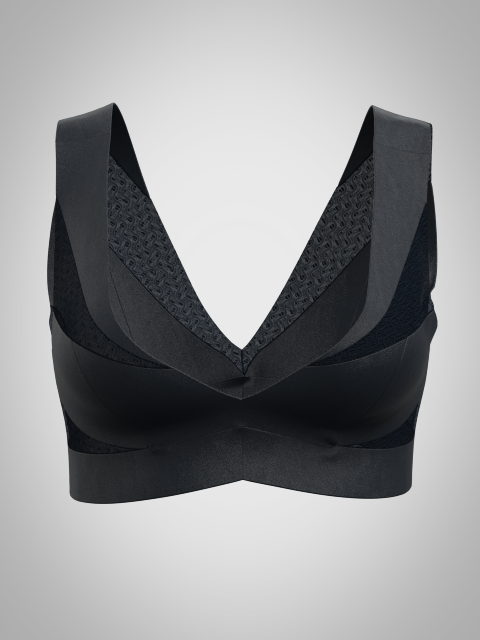
CLO3D garment visualization
Design refinement and silhouette review
Digital pattern file (.DXF) and CLO3D file (.zprj)
Colorway or material scenario mockups
Exported visuals for decks, reviews, or development use
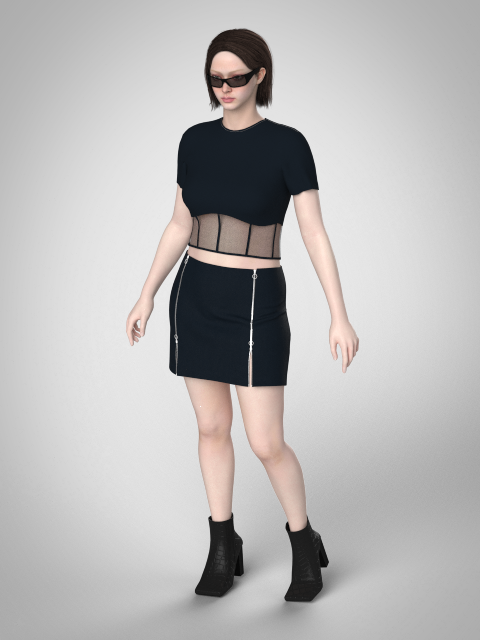
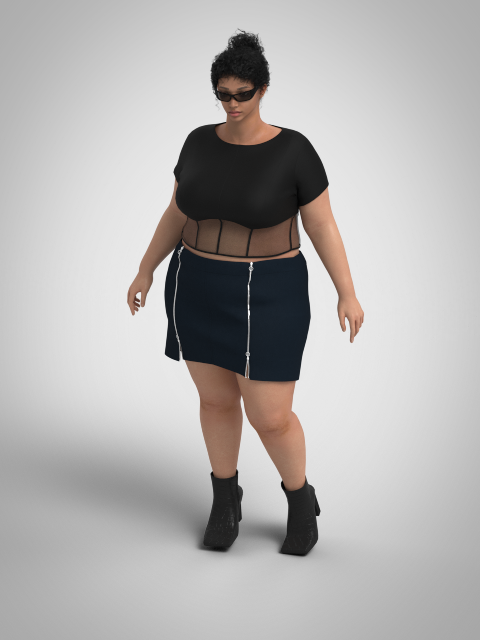
THIS IS A GREAT OPTION IF YOU…
-
You have sketches or a vision, but you’d feel better seeing the garment in 3D before you spend money on samples. CLO3D lets you look at the style from different angles and make changes while everything is still digital.
-
You’re making choices about fit, length, and details that will matter later, and you don’t want to guess. Working digitally gives you space to try things, tweak the pattern, and see what feels right before you commit.
-
Maybe you’re talking to a factory, a potential partner, or someone you want to impress. Clean digital mockups make it much easier to explain what you’re building and get people on the same page.
-
You’d rather solve as many questions as possible before cutting into fabric. Using CLO3D helps reduce “let’s just try it and see” sampling and gives you a more thoughtful path into the physical phase.
-
You don’t just want a pretty render, you want the design and pattern thinking to set you up for the next step. This stage helps connect your idea to the technical work that will follow, so things feel more intentional instead of rushed.
How it works
01. Project Intake
We begin with a clear intake process to understand your brand, product goals, design direction, and where you are in development. This helps define the right scope and identify what needs to be explored digitally.
02. Design Direction
We review your concept, silhouettes, size charts and overall design intent so the digital work reflects the product you are actually trying to build. This stage helps us align on the look, purpose, and priorities of each style.
03. Digital Pattern Development
From an existing pattern, block, sketch, or concept, we begin building the garment digitally. This step creates the foundation for 3D visualization and further refinement in CLO3D.
04. Material and Trim Visualization
Next, we apply digital fabrics, colors, and relevant garment details to better represent the intended look and feel of the product. This helps bring more realism and clarity to the design.
05. Garment Refinement
We review silhouette, proportions, and design details in 3D so adjustments can be made before physical samples are created. This stage is where many of the most important visual decisions happen.
06. Color and Option Review
We can explore colorways, material options, or alternate design directions to compare what is working best. This gives you stronger visual context before moving into sampling.
Frequently Asked Questions
Still have questions? Schedule a free 20-minute consultation.
-
CLO3D is a digital garment software that lets us build and visualize your styles in 3D before you invest in physical samples. It helps us refine fit, proportions, and design details early, so you can make more confident decisions and reduce trial-and-error in development.
-
Yes. CLO3D is a powerful tool for visualization, fit exploration, and design refinement, but it doesn’t fully replace real-world sampling. Instead, it helps us get closer to your ideal design beforehand, so your physical samples are more intentional and require fewer rounds of changes.
-
I’ll need your design ideas (sketches, references, or a rough line plan), your target customer and intended fit, plus any fabric direction you already have. If you have existing patterns or tech packs, those are helpful but not required — we can discuss what you have and what we need to build.
-
We can use CLO3D to explore how silhouettes and style lines might translate across different sizes, and to think through fit decisions with your real customer in mind. It’s a useful way to test proportions and shapes before you commit to a full size run in sampling.
-
CLO3D works well for many ready-to-wear categories, especially when you care about how the garment hangs, drapes, or shapes the body. If you’re working on very complex or specialized pieces, we can talk about what’s realistic to build digitally and where digital development will add the most value.
-
CLO3D and technical development projects start at $850, with final investment depending on your product type, number of styles, and the level of detail required. Once I understand your collection and goals, I’ll provide a clear estimate so you know what to expect.
-
Timelines depend on the number of styles, complexity, and the amount of clarity you have surrounding your product, but CLO3D often speeds up early development by helping us make decisions faster.
-
Some technically advanced partners can, but most will prefer 2D pattern files (like DXF) plus a tech pack and measurement specs. CLO3D helps us get to a strong base pattern and clear visual direction, and then those files are prepared in a way your factory or patternmaker can use.
-
Right now, I support you on the development and production-readiness side, but I do not act as a full production manager or factory liaison. I can help you prepare clearer materials for your factory and think through what they’ll need from you to move forward smoothly.
-
Not by default. CLO3D patterns usually need finishing steps like seam allowance, grainlines, notches, labeling, and other annotations before a factory can reliably use them. I focus on setting you up with well-developed patterns and visuals, and your production partners may add their own refinements based on their machinery and standards.
-
Yes. You’ll receive digital visuals you can use to communicate design intent to patternmakers, technical designers, or future manufacturing partners. These materials help everyone get on the same page visually before you move into sampling.